

 See My Latest Article on HelloNation

Buying a new vehicle involves more than comparing monthly payments, fuel costs, and features. Insurance can affect the total cost of ownership, the financing requirements, and the protection available after a collision, theft, wildfire-related damage, or other loss.
Before signing a purchase agreement, ask questions that reveal how the vehicle will be insured, what the policy will pay, and which costs may remain your responsibility.
Will this vehicle cost more to insure than my current car?
Usually, the answer depends on more than the purchase price. Insurance pricing may reflect the vehicle’s repair costs, safety equipment, theft history, claim frequency, replacement parts, performance, and overall value.
Ask for an insurance quote using the exact vehicle identification number, or VIN, when available. Two vehicles with similar prices can have noticeably different premiums because one may have more expensive sensors, specialized parts, or higher repair costs.
Also compare the cost of insuring different trims. A higher trim may include advanced driver-assistance equipment, larger wheels, upgraded electronics, or performance features that affect repair expenses.
For households in Simi Valley, it can be useful to consider how the car will be used day to day. Regular commuting, school transportation, freeway driving, long family trips, and occasional recreational use can create different mileage and coverage needs.
What coverage does California require?
California requires minimum liability insurance for private passenger vehicles. The current minimum limits are:
- $30,000 for injury or death to one person
- $60,000 for injury or death to more than one person
- $15,000 for property damage
These limits help pay for injuries or property damage caused to other people when the insured driver is legally responsible. They do not pay to repair the insured vehicle after a collision.
Ask whether the proposed limits are appropriate for the household’s financial situation. State minimums may satisfy the legal requirement but may not fully protect income, savings, or other assets after a serious accident. A claim involving multiple injuries or substantial property damage can exceed minimum limits quickly.
Do I need comprehensive and collision coverage?
If the car is financed or leased, the lender or leasing company will commonly require comprehensive and collision coverage. Even when not required by a lender, these coverages may be worth considering for a new vehicle because replacing or repairing it could be expensive.
Collision coverage generally applies to damage caused by a crash with another vehicle or object. Comprehensive coverage generally applies to non-collision losses such as theft, vandalism, falling objects, animal strikes, and certain weather-related damage.
Ask these specific questions:
- What deductible applies to each coverage?
- Is the deductible affordable after a sudden loss?
- How is the vehicle’s value determined after a total loss?
- Are original, aftermarket, or recycled parts used for repairs?
- Are advanced sensors and calibration included when needed?
Seasonal conditions, falling debris, theft, and severe weather can all affect vehicle risks. A buyer should understand whether the selected policy addresses the types of damage most likely to create a large out-of-pocket expense.
What happens if the car is totaled shortly after purchase?
A standard auto policy generally pays the vehicle’s actual cash value, not necessarily the amount recently paid at the dealership. A new vehicle can lose value as soon as it is driven off the lot, while a loan balance may decline more slowly.
Ask whether gap coverage is needed. Gap coverage is designed to help pay the difference between the vehicle’s market value and the remaining loan or lease balance after a covered total loss. It may be especially relevant when:
- The down payment is small
- The loan term is long
- The vehicle is financed with rolled-in fees or a previous loan balance
- The vehicle depreciates quickly
- The lease requires specific protection
Gap coverage is not the same as new-car replacement coverage. Ask what each option covers, whether there are limits, and when the protection ends.
Is the vehicle automatically covered when I drive it home?
Do not assume that coverage begins without confirming the policy’s rules. Many policies provide some automatic protection for a newly acquired vehicle, but the time period, conditions, and required notification can vary.
Before taking possession, ask:
- Must the insurer be notified before driving the vehicle?
- How many days are available to report the purchase?
- Does the new vehicle receive the same coverage as the car it replaces?
- What happens if it is an additional vehicle rather than a replacement?
- Is proof of insurance required at the dealership?
The safest approach is to confirm the effective date and coverage details before leaving with the vehicle. Keep the insurance card and purchase documents accessible.
Are the liability limits high enough for regular driving?
Liability coverage protects other people when the insured driver causes an accident. It does not protect against every financial consequence of a crash, and it does not automatically cover damage to the newly purchased vehicle.
Ask for quotes using more than the legal minimum limits. Compare the premium difference between minimum limits and higher limits, particularly if the vehicle will be driven frequently or by multiple household members.
Also ask about uninsured and underinsured motorist coverage. This can help when another driver causes an accident but has no insurance or insufficient liability limits. The coverage rules, limits, and deductibles should be reviewed carefully because they differ from collision coverage.
How much will the deductible affect the total cost?
A deductible is the amount paid before certain covered losses are paid by the insurer. A higher deductible may reduce the premium, but it also increases the amount due after a covered claim.
Before choosing a deductible, ask:
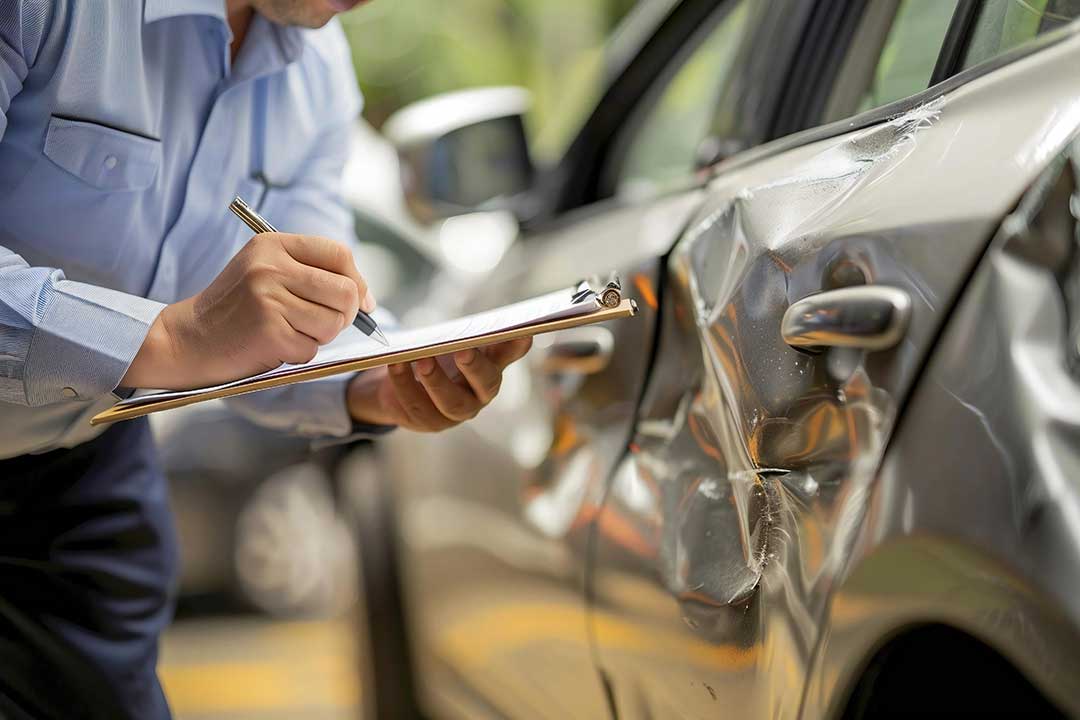
- Could the household pay it without using essential funds?
- Do comprehensive and collision have separate deductibles?
- Does glass damage have a special deductible?
- Are there circumstances in which the deductible is waived or reduced?
The least expensive monthly premium is not always the least expensive choice after a loss. Compare the premium savings with the additional amount that would be required after a collision or theft.
Are safety features, accessories, and equipment covered?
New vehicles often include cameras, radar sensors, navigation systems, upgraded wheels, roof equipment, charging equipment, and permanently installed accessories. Ask whether these items are included under the standard policy and whether coverage limits apply.
Some modifications or permanently attached equipment may require an endorsement. Keep receipts and photographs of high-value additions. This documentation can help establish what was installed and how much it cost.
Will a replacement vehicle be available after a covered claim?
Rental reimbursement coverage may help pay for temporary transportation while a vehicle is being repaired after a covered loss. It usually has a daily limit and a maximum number of days or total amount.
Ask:
- What is the daily rental limit?
- Is there a total dollar limit?
- Does coverage apply if the vehicle is totaled?
- Are transportation expenses covered while waiting for a settlement?
- Is roadside assistance included or separate?
This is particularly useful for households that depend on one vehicle for work, school, caregiving, or essential errands.
What information should be ready for an accurate quote?
Insurance pricing can change when the information used for the quote changes. Have the following details available:
- VIN or exact year, make, model, and trim
- Primary driver and household driver information
- Estimated annual mileage
- Vehicle storage address
- Typical use, such as commuting or personal use
- Financing or leasing information
- Current coverage limits and deductibles
- Recent tickets, claims, or accidents
California rating rules consider factors such as driving safety record, annual mileage, and years of driving experience. Accurate information helps prevent surprises when the policy is issued or renewed.
What should be compared besides the premium?
Compare the coverage limits, deductibles, exclusions, claim procedures, repair provisions, rental benefits, and total cost after a covered loss. Ask for the declarations page or a written coverage summary and review it before finalizing the purchase.
The most useful insurance decision is usually the one that fits both the vehicle and the household’s ability to absorb an unexpected expense. A clear quote, confirmed effective date, and written understanding of exclusions can prevent costly misunderstandings after the new car is already on the road.